


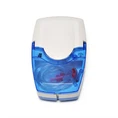
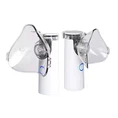


Hey there! As a supplier of Compressive Nebulizers, I've seen firsthand how these devices can be a game - changer for people dealing with respiratory issues. But one thing that often gets overlooked is what to do with the residue in a Compressive Nebulizer after use. In this blog, I'm gonna share some practical tips on handling this problem.
First off, let's understand why it's so important to deal with the residue properly. When you use a Compressive Nebulizer, it turns liquid medication into a fine mist for you to inhale. Over time, some of this medication can build up inside the nebulizer. If not cleaned, this residue can lead to a few problems. It can clog the nebulizer's components, reducing its efficiency and the quality of the mist it produces. Also, bacteria and other germs can grow in the moist, medicated environment, which is definitely not good for your health.
Step - by - Step Cleaning Process
1. Disassemble the Nebulizer
Right after you're done using the nebulizer, the first thing you should do is turn it off and unplug it if it's an electric one. Then, carefully take apart all the detachable parts. This usually includes the medicine cup, the mouthpiece or mask, and the tubing. Different models might have slightly different components, but most Compressive Nebulizers follow a similar disassembly pattern. For example, our Home Use Portable Stable Electric Atomizer Nebulizer is designed for easy disassembly, making the cleaning process a breeze.
2. Empty the Medicine Cup
Pour out any remaining liquid medication from the medicine cup into a sink or a proper waste container. Make sure to get rid of all the liquid, as leaving it in can cause residue to harden.
3. Rinse the Parts
Rinse all the detachable parts under warm running water. This will help to remove the majority of the loose residue. You can gently swirl the parts in the water to make sure all surfaces are covered. For parts with small crevices or hard - to - reach areas, you can use a soft - bristle brush, like a baby bottle brush, to clean them. Just be careful not to damage the parts.
4. Soak the Parts
Prepare a solution of mild dish soap and warm water in a clean container. Soak the nebulizer parts in this solution for about 15 - 20 minutes. This will help to break down any stubborn residue. Avoid using harsh chemicals or abrasive cleaners, as they can damage the nebulizer. Our Healthy Breathing Compressive Nebulizer is made of high - quality materials, but still, it's best to use gentle cleaning agents.
5. Rinse Again
After soaking, take the parts out of the soapy water and rinse them thoroughly under warm running water. Make sure to remove all the soap residue, as any leftover soap can be harmful if inhaled.
6. Dry the Parts
Shake off any excess water from the parts and then place them on a clean, dry towel. Let them air - dry completely. Avoid using a hair dryer or other heat sources to speed up the drying process, as high heat can damage the nebulizer. Once the parts are dry, reassemble the nebulizer and store it in a clean, dry place.
Deep Cleaning
In addition to regular cleaning, it's also a good idea to do a deep cleaning of your nebulizer every few weeks. This involves using a more thorough cleaning method to get rid of any deeply - embedded residue.
One way to do a deep cleaning is to use a vinegar solution. Mix equal parts of white vinegar and water in a container. Soak the nebulizer parts in this solution for about 30 minutes. Vinegar is a natural disinfectant and can help to break down tough residue. After soaking, rinse the parts thoroughly under running water and let them air - dry.
Another option for deep cleaning is to use hydrogen peroxide. Dilute 3% hydrogen peroxide with an equal amount of water. Soak the parts in this solution for about 10 - 15 minutes. Then, rinse the parts well and let them dry.


Special Considerations
Shared Nebulizers
If multiple people are using the same nebulizer, it's even more important to clean it thoroughly after each use. Different people may have different medications and health conditions, so cleaning helps to prevent the spread of germs and cross - contamination. Our Medical Device For Adult Kids Nebulizer is a great option for families, but proper cleaning is crucial when it's shared.
Medication - Specific Residue
Some medications may leave a more stubborn residue than others. For example, medications with a high viscosity or those that contain certain ingredients may be more difficult to clean. In these cases, you may need to adjust your cleaning routine. You can soak the parts for a longer time or use a more concentrated cleaning solution. But always check with your doctor or the nebulizer manufacturer before using any new cleaning methods.
Conclusion
Properly dealing with the residue in a Compressive Nebulizer after use is essential for maintaining the device's performance and ensuring your health. By following these simple cleaning steps and doing regular deep cleaning, you can keep your nebulizer in top condition.
If you're in the market for a new Compressive Nebulizer or have any questions about our products, don't hesitate to reach out. We're here to help you make the best choice for your respiratory needs. Whether you're looking for a portable option for home use or a nebulizer suitable for both adults and kids, we've got you covered. Contact us for more information and to start a procurement discussion.
References
- American Lung Association. "Cleaning Your Nebulizer".
- Manufacturer's instructions for Compressive Nebulizers.