

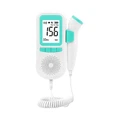


Blood Pressure Monitors
Established in March 2017 and located in China, Shenzhen Taikang Medical Equipment Co., Ltd. specialized in the R&D, production and sales of medical equipment. We specialize in producing Bluetooth Wrist Blood Pressure Monitor, Wrist Blood Pressure Monitor Rechargeable, Wrist Blood Pressure Monitor Alkaline Battery, Arm Blood Pressure Monitor Rechargeable, Arm Blood Pressure Monitor Alkaline Battery, and other Blood Pressure Monitors.
Quickly Efficiency
Our factory operates on highly efficient and streamlined processes, ensuring that our production lines run smoothly and quickly.
Quality Assurance
Our company have CE, FDA, SGS, ISO13485 and other certificates and a large number of design patents.
OEM & ODM Available
We are able to adapt to changing market demands and customize products to meet our customers' specific needs.
Advanced Equipment
We have advanced equipment such as Dielectric strength tester , Ground impedance tester, Oscilloscope Fetal heart simulator, Non-invasive blood pressure simulator, Precision digital pressure gauge, Soldering iron temperature tester to produce better products for you.
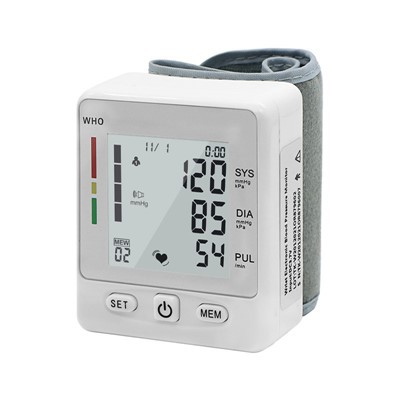
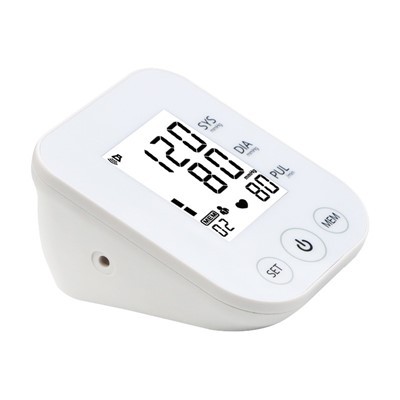


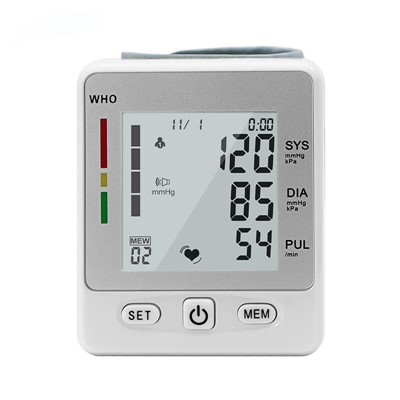


A sphygmomanometer, a.k.a. a blood pressure monitor, or blood pressure gauge, is a device used to measure blood pressure, composed of an inflatable cuff to collapse and then release the artery under the cuff in a controlled manner, and a mercury or aneroid manometer to measure the pressure. If you want to know the specifications and prices of blood pressure monitor, please contact us!
Help With Early Diagnosis
Self-monitoring can help your health care provider diagnose high blood pressure earlier than if you have only occasional blood pressure readings in a medical office. Home monitoring is especially important for people with elevated blood pressure or another condition that could contribute to high blood pressure, such as diabetes or kidney problems.
Help Track Your Treatment
The only way to know whether your lifestyle changes or medications are working is to check your blood pressure regularly. Monitoring blood pressure changes at home can help you and your care provider make decisions about treatment, such as adjusting dosages or changing medications.
Encourage Better Control
Self-monitoring can give you a stronger sense of control over your health. Self-monitoring might help you feel more motivated to control your blood pressure with improved diet, physical activity and proper medication use.
Cut Your Health Care Costs
Self-monitoring might help cut down on medical visits.
Check if Your Blood Pressure Differs Outside a Medical Office
Some people have spikes in blood pressure due to nervousness during a medical visit (white coat hypertension). Other people whose blood pressure is OK at a clinic have higher blood pressure elsewhere (masked hypertension). Monitoring blood pressure at home can help determine if you have true high blood pressure.
Type of Blood Pressure Monitors
Mercury Blood Pressure Monitors
The mercury Blood Pressure Monitors is the most conventional form of blood pressure apparatus, and it can be considered the golden standard in the health industry. Mercury Blood Pressure Monitors are made up of manually inflatable cuffs that are attached to measuring units with mercury-infused tubes. While operating the device, it is important to place the apparatus on a flat surface and in an upright position to get the correct readings. These devices are very delicate and require special care, and if accidentally dropped can cause a rupture of mercury, rendering the device useless and potentially hazardous.
The biggest advantage of using mercury Blood Pressure Monitors is that they are quite easy to use, and if used properly, can last a lifetime. The device can produce the most accurate results without requiring much readjustment. Due to the toxic nature of its contents, however, the use of mercury Blood Pressure Monitors has been banned in some countries, and other forms of Blood Pressure Monitors are being used instead.

Aneroid Blood Pressure Monitors
Aneroid means “without fluid," and as the name suggests, this type of BP apparatus doesn't make use of any mercury and is therefore considered the safest alternative to mercury Blood Pressure Monitors. Its recording procedures are pretty similar to that of the mercury Blood Pressure Monitors, except the stethoscope's attachment to the cuff. In the android device, the cuff is attached to a dial gauge with tubing. The gauge head contains mechanical parts that convert the cuff pressure into gauge-based reading. Additionally, there are various other types of aneroid Blood Pressure Monitors depending on how they are used. These include pocket-aneroid Blood Pressure Monitors, palm aneroid Blood Pressure Monitors, and clock-style aneroid Blood Pressure Monitors. Ultimately, the benefit of using aneroid Blood Pressure Monitors is the affordability of the apparatus, as well as its compact and handy nature. However, similar to other devices used to measure blood pressure, aneroid Blood Pressure Monitors make use of a delicate mechanism and therefore necessitates careful handling. Aneroid Blood Pressure Monitors also require recalibration by experts, to avoid cases of faulty reading.
Automatic Digital Blood Pressure Monitors
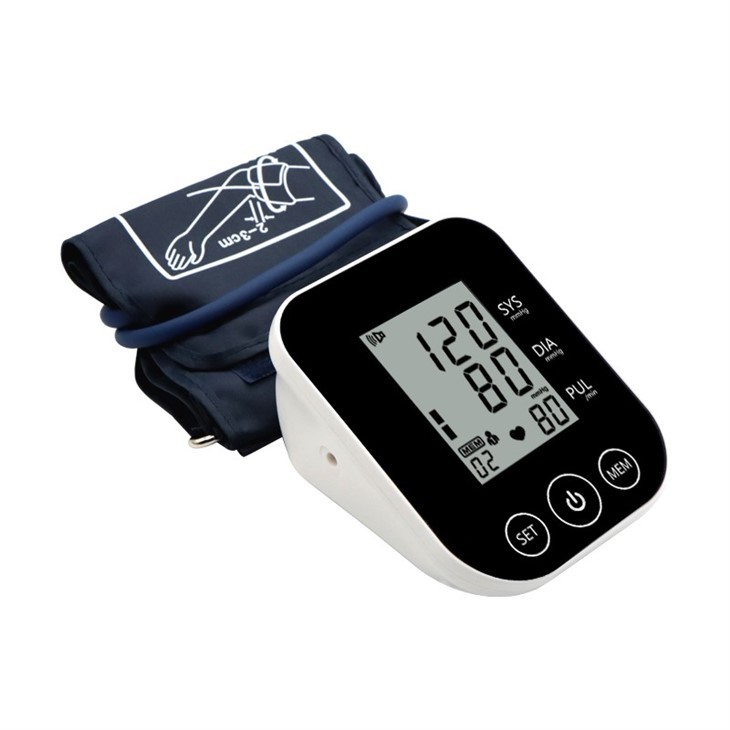
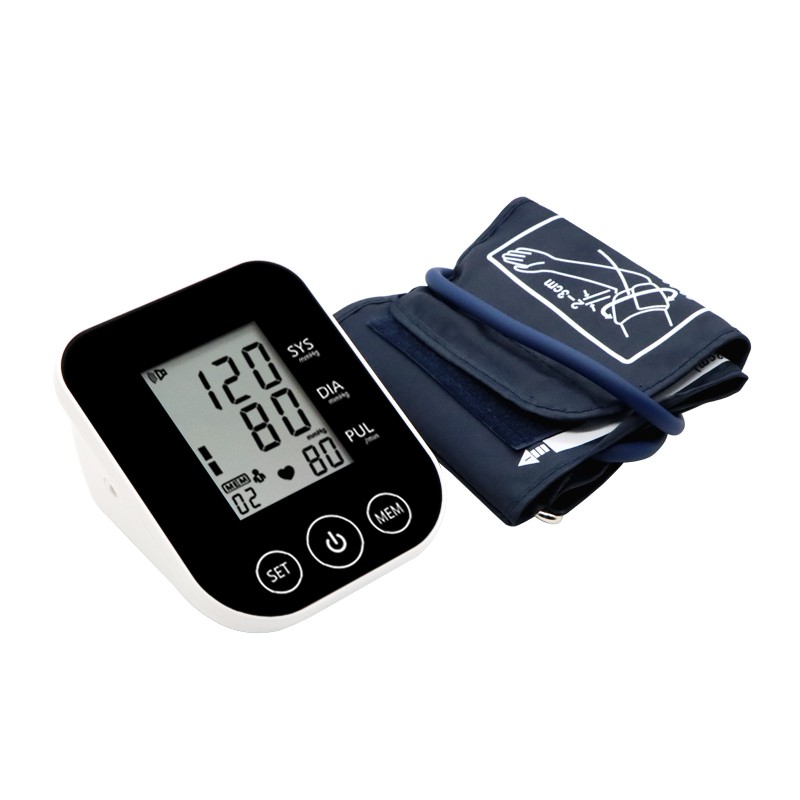
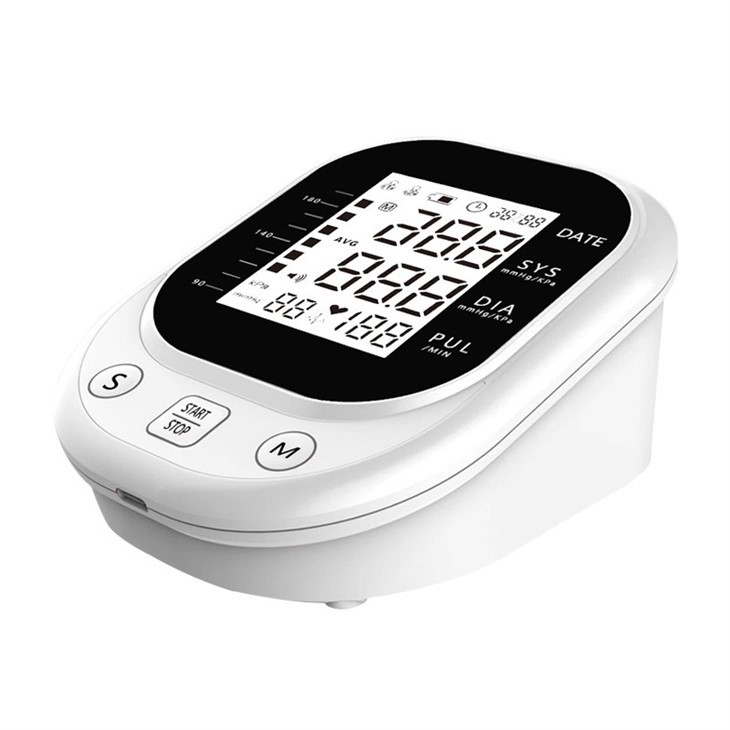
The automatic digital Blood Pressure Monitors is the most technologically-advanced Blood Pressure Monitors design to date. These devices use an electronic pressure sensor to measure blood pressure, and the readings are presented on a digital display. Similar to mercury and aneroid Blood Pressure Monitors, digital Blood Pressure Monitors also come with inflatable cuffs, but there is a difference in the procedure for measuring blood pressure. Unlike the other two types, automatic digital Blood Pressure Monitors evaluate and measure the fluctuations of arteries. These devices are perfect for home use as they are the easiest to operate. To avoid the risk of inaccurate readings, periodic counter checks with conventional mercury Blood Pressure Monitors are recommended.
Component of Blood Pressure Monitors
Bladder
This is an inflatable bag that is used to compress the arm to occlude the artery. To ensure full arterial compression, bladders must have specific sizing parameters.
Cuff
This is designed to hold the bladder around the arm during the measurement. For accurate measurement, the cuff must be designed properly with respect to placement and the position.
Manometer
This is a device used to measure the air pressure in mmHg. The manometer used in an aneroid sphygmomanometer consists of a watch-like movement to measure the air pressure applied to the cuff. To expand the diaphragm, the gauge has a series of copper or beryllium and there are gears to convert the linear movement of the diaphragm to get the readings in mmHg.
Valve
This used as a deflation valve to control the cuff. This plays a vital role in getting an accurate measurement.
Bulb
This is used to pump the air into the cuff.
Essential Tips to Take Care of Your Blood Pressure Monitor
Read the Instruction Manual
When you first purchase a blood pressure monitor, it is vital to read the instruction manual carefully. The manual will provide detailed information on how to operate and maintain the device correctly. Different models may have unique features or specific cleaning instructions, so familiarizing yourself with the manual is essential.
Keep it Clean
Regular cleaning of your blood pressure monitor is crucial to maintain its accuracy and hygiene. Before cleaning, always refer to the manufacturer's instructions. Typically, you can use a soft, damp cloth to wipe the monitor's exterior surface. Avoid using harsh chemicals, abrasive cleaners, or submerging the device in water. Additionally, clean the cuff after each use by following the manufacturer's guidelines. Proper cleaning not only enhances accuracy but also prevents the accumulation of dirt or bacteria.
Protect from Extreme Conditions
Extreme temperatures and humidity can affect the performance of your blood pressure monitor. Store it in a cool and dry place, away from direct sunlight or excessive moisture. Extreme heat or cold can cause damage to the device's components, leading to inaccurate readings. If you travel with your monitor, ensure it is properly protected from temperature fluctuations and stored securely in a protective case or bag.
Check for Accuracy Regularly
To ensure the reliability of your blood pressure monitor, it's essential to periodically check its accuracy. You can compare the readings from your equipment to those used in a medical facility or by a healthcare practitioner. If you notice significant discrepancies, consider recalibrating or replacing the device.
Avoid Dropping or Impact
Accidental drops or impacts can severely damage the delicate components inside your blood pressure monitor. Handle it with care, avoiding rough handling or subjecting it to unnecessary shocks. If you accidentally drop the device, inspect it thoroughly for any visible damage before using it again. Even minor damage can impact the monitor's accuracy and functionality.
Replace Batteries Promptly
Many blood pressure monitors operate on batteries. It is important to keep a close eye on the battery life and replace them promptly when needed. Low battery power can affect the monitor's performance and lead to inaccurate readings. To ensure uninterrupted functionality, keep spare batteries on hand and replace them as soon as the low battery indicator appears. Checking the batteries on a regular basis will ensure that your monitor is always ready to use when you need it.
Ask Your Doctor
If your doctor asks you to measure your blood pressure at home or to wear an ambulatory blood pressure monitor in order to diagnose hypertension, they will provide a monitor that you can borrow for a set period of time.
Buy a Monitor With an Upper Cuff
If you are buying a home blood pressure monitor, choose one that measures your blood pressure at your upper arm, not your wrist or finger. The cheapest ones start from around £20 and are available in most local pharmacies and larger supermarkets.
Make Sure the Cuff is The Right Size For Your Arm
Make sure you have the right cuff size for your arm. It should wrap snugly around your upper arm, with just enough space to slide two fingertips underneath. Most home blood pressure monitors will come with a medium-sized cuff. If your upper arm is particularly larger or smaller than average, you may need to buy a different sized cuff separately.
Make Sure You Have Approval From Your Country
If you are buying a blood pressure monitor, make sure it is approved for use in the country. This means that the digital monitor has gone through a series of tests to make sure it gives results that you and your doctor can trust.
Make Sure You Get it Serviced Every 2 Years
It needs to be regularly serviced and calibrated to make sure it is accurate – generally, at least once every two years. This usually involves sending it back to the manufacturer, who will probably charge a fee for this. If this option is too complicated or expensive it may be easier and cheaper to buy a new monitor.

How to Use a Blood Pressure Monitor
Measure your blood pressure in both arms when you first start. They will give slightly different readings. From then on, use the arm that gave you the higher reading each time.
Always use the same arm. If possible, use the arm that your doctor or nurse uses when they measure your blood pressure.
Take readings at the same time each day. For example, first thing in the morning or last thing at night. Your blood pressure can vary throughout the day and with different activities, so this will mean you're comparing like with like. It's good to have a routine – like measuring your blood pressure before breakfast.
Don't round your measurements up or down. Record your readings as they're displayed because it could affect the treatment you're prescribed.
Don't worry if you get an unexpected high reading. A one-off high reading is usually nothing to worry about, rest for five minutes and take the reading again. If it's still high, measure your blood pressure again another day. If it remains high for long, around two or three weeks, see your doctor or nurse.
Don't worry about small changes. It's normal for there to be small changes in your blood pressure.
Don't check your blood pressure too often. Some people find that they become worried or stressed about small changes in their readings if they take them too often. Worrying can also raise your blood pressure in the short term, making your reading higher than it should be.
Don't stop taking your medications if your blood pressure falls. Always talk to your doctor before stopping your medications, even if your blood pressure has fallen to a healthy level according to your home monitor.
Certifications


Frequently Asked Questions
Q: How accurate are at home blood pressure monitors?
Q: What is a blood pressure monitors used for?
Q: Can you use a blood pressure monitors on yourself?
Q: How do you check blood pressure with a blood pressure monitors?
Q: Can we check BP without blood pressure monitors?
Q: What kind of blood pressure monitors is best?
Q: Which is better digital or manual blood pressure monitors?
Q: Which blood pressure monitors is more accurate?
Q: How do I know if my blood pressure monitors is working?
Q: What are the common faults of blood pressure monitors?
Q: How long does a blood pressure monitors last?
Q: Do nurses use blood pressure monitors?
Q: Why are mercury blood pressure monitors being phased out?
As one of the most professional blood pressure monitors manufacturers and suppliers in China, we're featured by quality products and low price. Please rest assured to wholesale cheap blood pressure monitors for sale here from our factory. Contact us for quotation.
infrared thermometer gun, Adult Nebulization Machine Electric Atomizer Nebulizer, Pregnant mom