



Ultrasonic Equipment
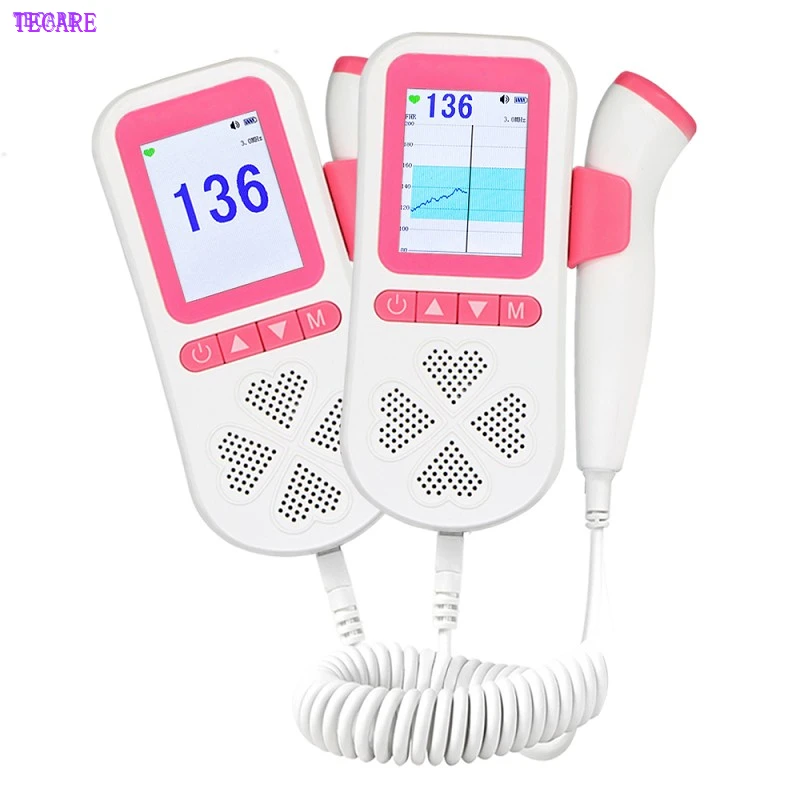
Established in March 2017 and located in China, Shenzhen Taikang Medical Equipment Co., Ltd. specialized in the R&D, production and sales of medical equipment. We specialize in producing Digital Ultrasound Fetal Doppler for Pregnancy, Home Use Curve Rechargeable Ultrasound Fetal Doppler, Heartbeat Detector Bluetooth Fetal Doppler Monitor, Bluetooth Connect Wireless Fetal Doppler, Data Record Free App Wireless Fetal Doppler, and other Doppler ultrasound.
Quickly Efficiency
Our factory operates on highly efficient and streamlined processes, ensuring that our production lines run smoothly and quickly.
Quality Assurance
Our company have CE, FDA, SGS, ISO13485 and other certificates and a large number of design patents.
OEM & ODM Available
We are able to adapt to changing market demands and customize products to meet our customers' specific needs.
Advanced Equipment
We have advanced equipment such as Dielectric strength tester , Ground impedance tester, Oscilloscope Fetal heart simulator, Non-invasive blood pressure simulator, Precision digital pressure gauge, Soldering iron temperature tester to produce better products for you.


Doppler ultrasound is a special type of ultrasound which is used to look at blood flow. A Doppler ultrasound machine has a hand-held scanner which is connected to a computer. It uses sound waves to make pictures of the blood flow in your major arteries and veins. If you want to know the specifications and prices of Doppler ultrasound, please contact us!
Advantage of Doppler Ultrasound

Non-invasive
Generally Painless
Does not use Radiation
Doppler ultrasound does not involve the use of ionizing radiation, making it a safer option compared to imaging techniques such as X-rays or CT scans. This absence of radiation exposure is particularly beneficial for pregnant women and individuals who need frequent or repeated imaging studies.
Can Show if You Have Any Blocked Arteries in Your Neck, Arms, and Legs
Can Show if You Have Any Blood Clots in The Veins in Your Legs
Can Show the Amount and Speed of Blood Flow in Your Veins and Arteries
Can Be Used Instead of Some More Invasive Procedures
What is the Use of Doppler Ultrasound?
Sonography is a useful way of evaluating the body's circulatory system. Vascular ultrasound is performed to:
●Help monitor the blood flow to organs and tissues throughout the body.
●Locate and identify blockages (stenosis) and abnormalities like plaque or emboli and help plan for their effective treatment.
●Detect blood clots (deep venous thrombosis (DVT) in the major veins of the legs or arms.
●Determine whether a patient is a good candidate for a procedure such as angioplasty.
●Evaluate the success of procedures that graft or bypass blood vessels.
●Determine if there is an enlarged artery (aneurysm).
●Evaluate varicose veins.
In children, ultrasound is used to:
●Aid in the placement of a needle or catheter into a vein or artery to help avoid complications such as bleeding, nerve injury or pseudo-aneurysm (abnormal outpouching of an artery with the risk of rupture).
●Evaluate a connection between an artery and a vein which can be seen in congenital vascular malformations (arteriovenous malformations or fistula) and in dialysis fistula.
If a line is placed in an artery or vein of the legs or arms, there is a much higher chance of developing a clot around it due to the smaller vessel size (especially in infants and young children). In some instances, a clot can form in the arm or in the left leg with the latter extending into major veins in the abdomen.
Doppler ultrasound helps the doctor to see and evaluate:
●Blockages to blood flow (such as clots)
●Narrowing of vessels
●Tumors and congenital vascular malformations
●Reduced or absent blood flow to various organs, such as the testes or ovary
●Increased blood flow, which may be a sign of infection
Depending on the reason for the test, you may lie on your back or side on an exam table, or you may sit up.
During the test:
●Applies a small amount of gel to your skin. The gel helps the sonographer glide a small probe over the skin. It also helps sound waves travel.
●The transducer sends painless sound waves through your skin into your body. The sound waves are high frequency and you won't hear them.
●The sound waves reflect off the moving blood cells, causing the pitch of the sound waves to change. You may hear a whooshing sound from the ultrasound machine.
●The transducer detects changes in the sound wave.
●A machine records the sound wave changes and converts them into images or graphs for your provider to review.
●The sonographer cleans the gel from your skin at the end of the test.
Types of Doppler Ultrasound
"Bedside" or Continuous Wave Doppler
This type uses the change in pitch of the sound waves to provide information about blood flow through a blood vessel. The doctor listens to the sounds made by the transducer to assess the blood flow through an area that may be blocked or narrowed. This type of ultrasound can be done at the bedside in the hospital. It uses a portable machine that can quickly check the extent of blood vessel damage or disease.
Duplex Doppler
This test uses standard ultrasound methods to make a picture of a blood vessel and the organs around it. A computer turns the Doppler sounds into a graph. This graph helps to show the speed and direction of blood flow through the blood vessel.
Colour Doppler
Colour Doppler uses standard ultrasound methods to make a picture of a blood vessel. A computer changes the Doppler sounds into colours that are overlaid on the image of the blood vessel. These colours show the speed and direction of blood flow through the vessel. Power Doppler is a special type of colour Doppler. Power Doppler can get some images that are hard or impossible to get using standard colour Doppler. Power Doppler is most often used to look at blood flow through vessels within solid organs.
Compare Heart Rate Ranges
Sometimes a mother hears a heartbeat and assumes it's her baby's when it's actually her own. So how can you tell?
Comparing normal heart rate ranges for fetuses and adults can help you determine which noise you're picking up. Keep the ranges below in mind.
●Normal Adult Heart Rate: 60-80 bpm.
●Normal Fetus Heart Rate: 120-180 bpm.
If the heartbeat you detect is in the range of a normal adult heartbeat, you're probably picking up your own heart. If it falls in the normal fetus range, the fetal doppler is likely picking up your baby.
Fetus heartbeats can vary widely. That's because the heartbeat changes as they develop. For example, if you're able to detect your baby at 9 weeks, you may notice a higher reading, about 170 bpm. By week 14, it's likely dropped to around 150 bpm.
Listen for "Whooshing" Placenta Noise
It's common to mistake the sound of your placenta for your baby's heartbeat.
To know if it's placenta making the noise, listen to it carefully. Women often describe the sound of placenta on a fetal doppler as:
●Whooshing noise.
●Sounds like wind blowing through trees.
●"Wowowowow" sound.
Listen for "Galloping" Heartbeat
While placenta can sound like wind, your baby's heartbeat has another distinct noise.
Some people compare the sound of a fetal heartbeat through a fetal doppler to:
●The sound of galloping horses.
●Similar to the noise of jumping rope very rapidly.
Compare With Noises From Videos
One of the best ways to discern noises from a pocket fetal doppler is to watch other people use them. Spend time getting used to what a fetal heartbeat sounds like. Learn how other body noises sound different.
To hear what a fetal heartbeat might sound like at a specific week of pregnancy, search "fetal doppler X week" on YouTube (be sure you're using a reliable source who's detecting the correct noise!).
Listen for Echoing
If you're pregnant with a single baby and think you hear two heartbeats, you're likely hearing echoes. Some people hear two noises and think they're pregnant with twins. Unless your doctor has confirmed multiple pregnancies, it's likely you're hearing the echo of your single baby.
Watch Your Doctor Use Their Fetal Doppler
During your next prenatal checkup, watch how your doctor uses their fetal doppler. Although they'll have a different medical device, the basics will be similar. Watch how they rock the probe and cover your belly until they find the heartbeat. Then pay close attention to what a fetal heartbeat sounds like. If you have questions, ask. You might also simply ask, "Can you walk me through the steps of using the fetal doppler and everything you're detecting?"
If your doctor or midwife is willing, you can also ask them to help you use your own doppler. This can be helpful if you're feeling confused or unsure.
Practice & Accept You're Not a Pro
One of the best tips for discerning your baby's heartbeat is to practice. Over time, you'll become more familiar with the noise and will be able to differentiate between the heartbeat and body noises.
With that being said, no matter how much practice you have, you're not a professional. While you can listen to your baby's heartbeat between appointments, it will never replace checkups. Resist the urge to self-diagnose and instead talk to your doctor or emergency care about any concerns.
Other Important Fetal Doppler Heartbeat Tips
To help you detect your baby's heartbeat on a fetal doppler, try these suggestions:
●Use fetal doppler on a full bladder (helps push your uterus out of the pelvic cavity).
●Consider using a 2MHz probe if Overweight (get a 2MHz probe here).
●Cheap fetal dopplers produce more feedback and make it difficult to listen (use a reliable brand!).
●Be generous with ultrasound gel to avoid too much feedback.
●Clean probe after every use to avoid build-up that can produce feedback.
●If you can't pick up a heartbeat, try again in the next few days.
Certifications


Frequently Asked Questions
Q: How often should a Doppler Ultrasound be performed?
Q: How long does a Doppler Ultrasound last?
Q: Do you need to drink water before use Doppler Ultrasound?
Q: How should overall Doppler Ultrasound gain be adjusted?
Q: Is it okay to use Doppler Ultrasound everyday?
Q: Can you overuse a fetal Doppler Ultrasound?
Q: Is it worth getting a Doppler Ultrasound?
Q: Can I eat before use Doppler Ultrasound?
Q: What week is best for Doppler Ultrasound?
Q: How do you clean a Doppler Ultrasound?
Q: How does a Doppler Ultrasound work?
Q: Is the Doppler ultrasound safe?
Q: Can Doppler ultrasound detect blocked arteries?
Q: Can Doppler detect stroke?
Q: How do you read a Doppler Ultrasound at home?
As one of the most professional ultrasonic equipment manufacturers and suppliers in China, we're featured by quality products and low price. Please rest assured to wholesale cheap ultrasonic equipment for sale here from our factory. Contact us for quotation.