

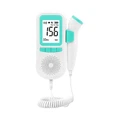


Pulse Oximeter
Taikang Medical Devices Co., Ltd. was established in March 2017 and is located in Shenzhen, China. We specialize in the R&D, production and sales of medical devices. The company's main products include ultrasonic equipment, blood pressure monitors, nebulizer, thermometer, forehead infrared thermometer, pulse oximeter, etc.


Why choose us?
Rich experience
A R&D team with more than 4 years of experience in medical devices and mature technology. Our factory building is 3000 square meters.
Quickly efficiency
Our factory operates on highly efficient and streamlined processes, ensuring that our production lines run smoothly and quickly.
Quality assurance
Our company have CE, FDA, SGS, ISO13485 and other certificates and a large number of design patents.
OEM service
The company has complete qualifications and good production conditions to take ODM and OEM orders.
Accurate readings
Pulse oximeters will accurately determine your blood oxygen saturation levels in as little as 10 seconds. With results conveniently displayed on an easy-to-read large LED display.
Small, light-weight, and easy to use
The pulse oximeter is easy to use which is why many people use them at home to help monitor their conditions. It is a small medical device that is clipped over the finger. It’s as easy as that.
Early detection of low blood oxygen saturation levels
The pulse oximeter can provide an early warning sign that blood oxygen levels are low. This can provide health practitioners with the information necessary to determine the cause.


Worthwhile investment
The emergence of advanced medical monitoring devices like the pulse oximeter provides patients and healthcare professionals an opportunity to reap the benefits. These include:
●Extended monitoring
●Greater disease prevention
●Improved remote monitoring
●Improved fact-based care decisions
●Ease of workflow
●Lower healthcare costs
Product Specifications
|
Display Format |
SPO2 |
|
Pulse Rate Measuring Range |
30 bpm - 250 bpm |
|
Spl; Measuring Range |
0% - 100% |
|
Measurement Accuracy |
Sp0±2% in stage of 70%-100% |
|
Battery Duration |
20 to 30 hours |
|
Battery Type |
2 AAA alkaline or rechargeable |
|
Weight |
1.8 oz |
When using a pulse oximeter at home, please note the following:
●Follow your health care provider’s advice about when and how often to check your oxygen levels.
●Follow the manufacturer’s instructions for use.
●When placing the oximeter on your finger, make sure your hand is warm, relaxed, and held below the level of the heart. Remove any fingernail polish on that finger.
●Sit still and do not move the part of your body where the pulse oximeter is located.
●Wait a few seconds until the reading stops changing and displays one steady number.
●Write down your oxygen level and the date and time of the reading so you can track any changes and report these to your health care provider.

Payment Methods
Accepted Delivery Terms
FOB, CFR, CIF, EXW, FCA, DDP, DDU, Express Delivery;
Accepted Payment Currency
USD, EUR, HKD, GBP, CNY;
Accepted Payment Type
T/T, L/C, D/P D/A, MoneyGram, PayPal, Western Union.
Packaging

Shipping

Certifications


FAQ
As one of the most professional oximeter manufacturers and suppliers in China, we're featured by quality products and low price. Please rest assured to wholesale cheap oximeter for sale here from our factory. Contact us for quotation.