



Am I hearing my own heartbeat on a fetal doppler?
Introduction:
Fetal dopplers, also known as baby heartbeat monitors, have become increasingly popular among expectant parents. These devices allow parents to listen to their baby''s heartbeat conveniently from the comfort of their own homes. However, some individuals have reported confusion about whether the sound they hear is their own heartbeat or that of their unborn child. This article aims to provide clarity on this topic and explain the mechanism behind fetal dopplers.
Understanding fetal dopplers:
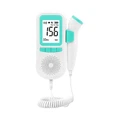
Fetal dopplers are handheld devices that use ultrasound technology to detect and amplify the sound of a baby''s heartbeat. They work by emitting sound waves into the mother''s abdomen and listening for the echoes produced by the movement of blood through the fetal heart.
Differentiating between maternal and fetal heartbeat:
The maternal heartbeat:
The maternal heartbeat refers to the sound of blood flowing through the mother''s own circulatory system. When using a fetal doppler, it is possible to hear the mother''s heartbeat, especially if the device is positioned incorrectly or the mother''s pulse is strong. The maternal heartbeat is typically slower than the fetal heartbeat, ranging from 60 to 100 beats per minute.
The fetal heartbeat:
The fetal heartbeat, on the other hand, is the sound produced by the baby''s heart pumping blood. It can usually be detected starting from around 8 to 12 weeks of pregnancy and is significantly faster than the maternal heartbeat. An average fetal heartbeat ranges between 120 and 160 beats per minute.
Differentiating between the two:
To determine whether the sound heard on a fetal doppler is the mother''s heartbeat or that of the baby, it is essential to consider a few factors:
1. Positioning: Proper positioning of the fetal doppler is crucial for accurate results. The device should be placed low on the abdomen, just above the pubic bone, to detect the fetal heartbeat. If the device is placed higher up or off-center, it is more likely to pick up the mother''s heartbeat.
2. Heartbeat rate: As mentioned earlier, the maternal heartbeat is generally slower than the fetal heartbeat. By monitoring the heart rate displayed on the doppler''s screen, one can differentiate between the two. If the heart rate detected is consistently below 100 beats per minute, it is likely the mother''s heartbeat.
3. Movement: The baby''s heartbeat is generally intermittent and may change in response to the baby''s movements. If the sound remains consistent even when the baby is active, it is more likely the maternal heartbeat.
4. Sound quality: In most cases, the sound of the fetal heartbeat is similar to a rapid whooshing or thumping sound. The maternal heartbeat may present itself as a steady lub-dub sound. Analyzing the sound quality can provide additional clues about its origin.
It''s important to note that the ability to differentiate between the two heartbeats may vary from person to person. Factors such as the mother''s body size, the position of the placenta, and the gestational age of the fetus can influence the ease of detecting the fetal heartbeat.
The role of healthcare professionals:
While fetal dopplers provide a means for expectant parents to bond with their unborn child, it''s crucial to remember that healthcare professionals, such as obstetricians and midwives, are trained to use specialized equipment to accurately measure and interpret fetal heart sounds.
During routine prenatal check-ups, healthcare providers use handheld dopplers or more advanced ultrasound machines to assess the baby''s health. These medical-grade devices offer higher accuracy and provide valuable information beyond just the heartbeat, such as fetal movement, position, and amniotic fluid levels.
It is advisable to consult with a healthcare professional if there are concerns about the baby''s heartbeat, as they can provide expert guidance and ensure accurate monitoring of the baby''s well-being.
Potential risks and limitations of fetal dopplers:
While fetal dopplers can be a comforting tool for expectant parents, there are a few risks and limitations associated with their use:
1. False reassurance or anxiety: If the device is not used correctly or misinterpreted, it can lead to false reassurance or unnecessarily cause anxiety in expectant parents. It''s important to remember that a lack of heartbeat sound does not necessarily indicate a problem, as it may be challenging to locate the fetal heartbeat accurately in early pregnancy or through a thick abdominal wall.
2. Misdiagnosis: Inexperienced users may misdiagnose the detected heartbeat sounds, leading to unnecessary stress or confusion. Seeking professional guidance can help prevent misinterpretation of the results.
3. Limited information: Fetal dopplers only provide information about the baby''s heartbeat and do not offer detailed insights into the baby''s overall health. Routine prenatal visits with healthcare professionals are still essential to monitor the baby''s growth and development comprehensively.
Conclusion:
In conclusion, hearing one''s own heartbeat on a fetal doppler is a possibility, but with proper positioning and understanding, it is usually possible to differentiate between the maternal and fetal heartbeat. The use of fetal dopplers can offer comfort and bonding opportunities for expectant parents, but it should not substitute the care provided by healthcare professionals. Regular prenatal check-ups with trained medical personnel are crucial for accurate assessment of the baby''s well-being. Remember, if there are any concerns about the baby''s heartbeat, it is always advisable to consult a healthcare professional for guidance and reassurance.