

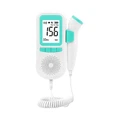


Introduction
Ultrasonic devices have been around for quite some time now, and they have made significant contributions to the various industries in which they are used. These devices work by emitting ultrasonic waves that have various applications in different fields. Their ease of use and efficiency make them popular among professionals in these industries. In this article, we will discuss the uses of ultrasonic devices in different fields.
In Medicine
The medical industry is one of the largest beneficiaries of ultrasonic devices. These devices are used for a wide range of applications such as imaging, therapy, and surgery.
Imaging
Ultrasonic imaging, commonly known as ultrasound, is a well-known procedure that is used to create images of internal organs and soft tissue structures. It involves the use of sound waves that bounce off the structures and create an image, much like sonar is used to locate objects underwater.
Ultrasound imaging is used in a wide range of medical applications, including obstetrics and gynecology, cardiology, and oncology. It is non-invasive and provides real-time images that help healthcare professionals diagnose and treat various conditions.
Therapy
Ultrasonic devices are also used for therapeutic purposes, where they are used to treat various medical conditions. One common example of this is the use of ultrasonic waves to break up kidney stones. The waves are targeted at the stone, causing it to break up into smaller pieces that can be easily passed through the urinary tract.
Ultrasonic therapy is also used to treat chronic pain conditions such as arthritis, tendonitis, and bursitis. The therapy works by targeting the affected area with ultrasonic waves, which heats the tissues and increases blood flow to the area, helping to reduce pain and inflammation.
Surgery
Ultrasonic devices are also used in surgery, where they are used to cut and coagulate tissues. Ultrasonic scalpels, for example, use high-frequency sound waves to cut through tissues, making them a safer and more efficient alternative to traditional surgical tools.
In Industry
Ultrasonic devices are also widely used in the industrial sector, where they are used for various applications.
Cleaning
Ultrasonic cleaning is a popular technique used in many industries to clean delicate items such as electronic components, jewelry, and medical instruments. The process involves immersing the item in a cleaning solution and subjecting it to high-frequency sound waves. The waves create pressure and temperature changes that help to remove dirt and contaminants from the surface of the item.
Welding
Ultrasonic welding is a technique used to join two pieces of material together. It involves the use of high-frequency sound waves that create friction between the materials, causing them to fuse together. This technique is commonly used in the automotive industry, where it is used to join plastic components together.
Detecting Flaws
Ultrasonic devices are also used to detect flaws in materials such as metal and plastic. The technique involves sending ultrasonic waves through the material, where they bounce off the internal structures, revealing any hidden flaws or defects.
In Veterinary Medicine
Ultrasonic devices are also widely used in veterinary medicine for various applications.
Imaging
Ultrasound imaging is used extensively in veterinary medicine to diagnose various medical conditions in animals. The technique is similar to that used in humans, where sound waves are emitted and bounced off internal structures to create an image.
Dental Care
Ultrasonic devices are also used in animal dentistry, where they are used to remove plaque and tartar from the teeth. The devices work by emitting ultrasonic waves that create vibrations, which help to loosen the plaque, making it easier to remove.
In Conclusion
Ultrasonic devices have a wide range of uses in different industries, including medicine, industry, and veterinary medicine. From imaging and therapy to cleaning and flaw detection, these devices have made significant contributions to the various fields in which they are used. Their efficiency, ease of use, and non-invasiveness make them popular among professionals, and they will likely continue to play an important role in the future.