



What is an example of ultrasonic?
Ultrasonic technology has become an essential part of various industries and applications. From medical imaging to non-destructive testing, ultrasonic waves have proven their utility in a wide range of fields. In this article, we will explore some key examples of ultrasonic and delve into their practical applications and benefits.
Introduction to Ultrasonic Technology:
Ultrasonic refers to sound waves that have a frequency higher than the upper limit of human hearing, which is typically around 20 kilohertz (kHz). These waves are generated by a transducer, which converts electrical energy into mechanical vibrations. The vibrations are then transmitted through a medium, such as air or water, where they travel as waves.
Ultrasonic waves have unique properties that allow them to be used for numerous purposes. One of their most notable characteristics is their ability to penetrate through solid objects, making them ideal for imaging and sensing applications. Additionally, these waves can be focused and directed with precision, further enhancing their versatility.
Applications of Ultrasonic Technology:**
1. **Medical Imaging and Diagnosis:
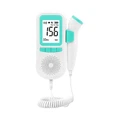
Ultrasonic waves are widely used in medical imaging techniques such as ultrasound scanning. This non-invasive procedure allows healthcare professionals to visualize internal organs and tissues, aiding in the diagnosis of various medical conditions. By emitting ultrasonic waves into the body and analyzing the reflected waves, doctors can create real-time images of the body''s structures.
Ultrasound imaging is commonly employed in obstetrics, where it helps monitor fetal development and detect any potential abnormalities. It is also used in cardiology to examine the heart''s function and identify any cardiovascular issues. Moreover, ultrasonic waves assist in the detection of tumors, kidney stones, and other abnormalities in different parts of the body.
2. Industrial Applications:
Ultrasonic technology finds numerous applications in industries, particularly for non-destructive testing (NDT) purposes. Ultrasonic testing involves sending sound waves through materials to detect internal defects or discontinuities. This technique is extensively used in manufacturing, construction, and maintenance sectors to ensure the structural integrity of components and prevent potential failures.
For instance, in the aerospace industry, ultrasonic testing is employed to inspect aircraft components, such as wings and engine parts, for hidden flaws. By detecting cracks or voids that may compromise the safety and efficiency of the aircraft, ultrasonic technology plays a crucial role in ensuring air travel''s reliability.
3. Cleaning and Degreasing:
Ultrasonic cleaning is a highly efficient and gentle method used to remove dirt, grease, and contaminants from various objects. This process involves immersing the item in a tank filled with a cleaning solution and subjecting it to ultrasonic waves. The waves create millions of tiny bubbles in the liquid, which implode near the object''s surface, generating microscopic pressure waves that dislodge the contaminants.
This cleaning method is particularly effective for intricate objects with hard-to-reach areas, such as jewelry, watches, and delicate electronic components. Ultrasonic cleaning offers superior results compared to traditional cleaning methods, as it can clean even the tiniest crevices without causing any damage.
4. Pest Control:
Ultrasonic devices are commonly used as a non-toxic alternative for repelling pests such as rodents and insects. These devices emit high-frequency sound waves that are inaudible to humans but intolerable to pests. The sound waves disrupt the pests'' communication and navigation systems, which drives them away without any harm.
Ultrasonic pest control devices are popular in homes, warehouses, and commercial spaces due to their unobtrusive nature and environmental friendliness. However, it is important to note that the effectiveness of these devices varies, and they may not work equally well for all pest species.
5. Level and Distance Measurement:
Ultrasonic sensors are widely used for level and distance measurement in various industries. These sensors emit ultrasonic waves and measure the time it takes for the waves to return after hitting a target object. By analyzing the time duration, the sensor can calculate the distance between itself and the object accurately.
This technology is applied in storage tanks to monitor fluid levels, in parking lots to assist with vehicle detection and guidance, and in robotics for obstacle avoidance. Ultrasonic distance sensors provide reliable and precise measurements, allowing for efficient automation and control processes.
Benefits of Ultrasonic Technology:
Ultrasonic technology offers several advantages over traditional methods in various applications. Some notable benefits include:
1. Non-destructive:
Ultrasonic testing and cleaning methods are non-destructive, meaning they do not damage the object being examined or cleaned. This makes them particularly suitable for delicate items and sensitive materials. They provide accurate results without compromising the integrity or functionality of the objects involved.
2. Non-invasive:
In medical imaging, ultrasonic waves penetrate through the body without causing any harm. Unlike X-rays or CT scans, ultrasound scans do not involve ionizing radiation, making them safer for both patients and healthcare professionals. This non-invasiveness allows for frequent monitoring without the risk of cumulative radiation exposure.
3. Environmentally Friendly:
Ultrasonic technology is often considered environmentally friendly due to its non-toxic and energy-efficient nature. Cleaning methods that utilize ultrasonic waves require minimal chemical solvents, reducing the environmental impact caused by harmful cleaning agents. Moreover, ultrasonic devices for pest control offer a chemical-free alternative, promoting ecological balance.
4. Highly Accurate:
Ultrasonic sensors and testing techniques provide precise measurements and reliable results. Whether it is determining the depth of a liquid, identifying internal defects, or measuring distances, ultrasonic technology offers high accuracy and repeatability.
5. Versatile:
The versatility of ultrasonic technology is evident in its wide range of applications. Medical imaging, industrial testing, cleaning, distance measurement, and pest control all benefit from the flexible nature of ultrasonic waves. This adaptability makes ultrasonic technology a valuable tool in various industries and scientific fields.
Conclusion:
Ultrasonic technology has revolutionized various industries and applications, bringing forth numerous benefits and advancements. From medical imaging to industrial testing, ultrasonic waves have proven their effectiveness and versatility. The ability to penetrate solid objects, non-destructive nature, and precise measurements make ultrasonic technology a valuable asset in fields ranging from healthcare to manufacturing. As technology continues to evolve, we can expect even more innovative applications of ultrasonic waves in the future.