



Why can''t you use a fetal doppler everyday?
Introduction
Fetal dopplers are medical devices commonly used by expectant mothers to listen to their baby''s heartbeat during pregnancy. The convenience and ease of use provided by these devices have made them increasingly popular among parents-to-be. However, there has been some debate surrounding the frequency of use and potential risks associated with using a fetal doppler on a regular basis. In this article, we will explore the reasons why it is not recommended to use a fetal doppler every day.
Understanding Fetal Dopplers
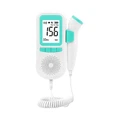
Before delving into the reasons why using a fetal doppler every day may not be advisable, let''s understand what they are and how they work. A fetal doppler is a handheld ultrasound device that uses sound waves to detect and amplify the heartbeat of a fetus in the womb. These devices usually consist of a probe, connected to a monitor or speaker, which allows parents to listen to their baby''s heartbeat.
Bonding and Reassurance
One of the primary reasons why expectant parents use fetal dopplers is for bonding and reassurance. Being able to listen to the baby''s heartbeat can provide a sense of connection and emotional support, especially for those facing a high-risk pregnancy or experiencing anxiety. Using a fetal doppler on occasion, under medical supervision, can indeed be a positive experience for parents. However, excessive use or daily reliance on the device can have potential drawbacks.
Professional Medical Guidance
When using a fetal doppler, it is crucial to follow professional medical guidance. Healthcare providers, such as obstetricians, midwives, or sonographers, are trained to use these devices accurately and in appropriate situations. They have the necessary expertise to identify the baby''s heartbeat, distinguish it from other sounds, and determine if there are any concerns or irregularities. Therefore, rather than using a fetal doppler independently every day, it is advised to consult with a healthcare professional regarding its usage.
Potential Risks
While fetal doppler devices are generally considered safe when used correctly, there are potential risks associated with their misuse or excessive use. It is important to bear in mind that fetal dopplers utilize ultrasound technology, which produces high-frequency sound waves that can have biological effects on tissues.
Ultrasonic Energy and Temperature
One concern is the thermal effect of continuous ultrasound exposure. When used for extended periods or at high intensity, fetal dopplers can cause a rise in temperature in the tissues being examined. Prolonged use may result in the accumulation of heat, potentially leading to cell damage or changes in fetal development. Though the risk of harm is relatively low when used briefly and intermittently, it is not recommended to subject the baby to unnecessary and prolonged exposure to ultrasound waves every day.
Incorrect Interpretation and False Reassurance
Another issue is that not all parents may be able to accurately interpret the sounds they hear through the doppler. It requires experience and expertise to distinguish between the baby''s heartbeat, maternal sounds, or other blood flow noises. Relying solely on self-monitoring without professional guidance can lead to incorrect interpretations and false reassurance. In some cases, this false reassurance may prevent parents from seeking appropriate medical attention when necessary.
Psychological Impact
It is important to consider the psychological impact of over-dependence on a fetal doppler. Some parents may become overly anxious or stressed if they are unable to find the baby''s heartbeat or are uncertain about what they hear. The device''s false negatives or difficulty in finding the heartbeat due to fetal positioning can create unnecessary distress and anxiety. Therefore, it is crucial to maintain a balance between the benefits of bonding and reassurance and the potential negative psychological impact of relying heavily on the device.
Professional Monitoring and Routine Prenatal Care
Regular prenatal care visits provide an opportunity for healthcare professionals to monitor the baby''s well-being throughout the pregnancy. These routine check-ups involve measuring the baby''s growth, checking the heartbeat, and identifying any potential concerns. Relying solely on a fetal doppler at home is not a substitute for professional medical oversight and prenatal care. It is always recommended to consult with a healthcare provider and attend scheduled check-ups to ensure the baby''s health and development are adequately monitored.
Conclusion
While fetal dopplers can be a wonderful tool for expectant parents to bond with and monitor the baby''s heartbeat, it is important to use them responsibly. Using a fetal doppler every day is not advisable due to potential risks associated with excessive ultrasound exposure, incorrect interpretation of sounds, false reassurance, and psychological impact. It is crucial to seek professional medical guidance, maintain a balance between self-monitoring and routine prenatal care, and rely on healthcare professionals to ensure the well-being of both the baby and the expectant mother.